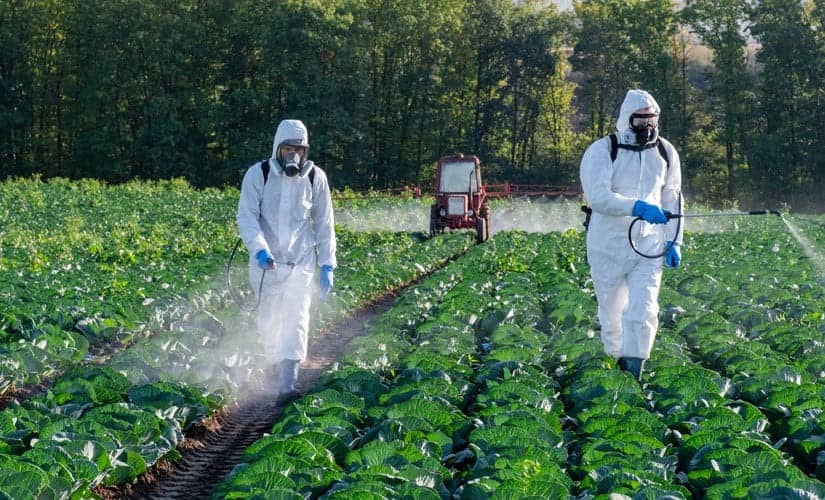
Recent approvals of pesticides containing PFAS, often referred to as “forever chemicals,” have renewed debate among scientists, health experts, and environmental groups. PFAS are known for their extreme persistence, meaning they do not easily break down in the environment and can accumulate over time in water, soil, food, and the human body.
While regulators argue that these pesticides are safe when used as directed, critics warn that long-term exposure, especially for children, deserves closer scrutiny.
Why Children May Face Higher Risks
Children are widely considered more vulnerable to environmental chemicals than adults. Their bodies and organs are still developing, they consume more food and water relative to their body weight, and they are more likely to be exposed through soil, dust, and hand-to-mouth behavior.
Health experts have raised concerns that PFAS exposure in children may be associated with developmental delays, weakened immune responses, and learning or behavioral difficulties. Some studies suggest that PFAS can interfere with hormone regulation and immune system function, which may reduce the effectiveness of vaccines and increase susceptibility to illness.
Because PFAS accumulate over time, even low-level exposure during childhood could potentially have lasting effects that extend into adulthood.
Potential Health Impacts on the General Population
Beyond children, PFAS exposure has been linked in scientific research to a range of possible health effects in adults, including liver damage, reproductive issues, altered cholesterol levels, and increased risk of certain cancers. Although not all effects are seen in every exposed population, the consistency of findings across studies has raised alarms about chronic exposure.
One of the main concerns is that PFAS do not leave the body easily. Continued exposure through food, drinking water, or agricultural products treated with PFAS-based pesticides may increase overall chemical burden over time.
Environmental and Wildlife Concerns
PFAS are not only a human health issue. These chemicals can persist in soil and water for decades, spreading beyond their original point of use. Once released, they can contaminate groundwater, rivers, and ecosystems.
Environmental scientists warn that PFAS may harm wildlife by disrupting reproduction, growth, and immune function in animals. Pollinators such as bees may also be affected, raising concerns about broader impacts on agriculture and food systems.
Because PFAS do not degrade naturally, their presence in the environment can accumulate year after year, increasing exposure risks for both humans and ecosystems.
Ongoing Debate and the Call for Caution
Regulatory agencies maintain that current approvals are based on risk assessments and approved usage levels. However, environmental and public health advocates argue that existing testing may not fully capture long-term, cumulative exposure, particularly for children.
Many scientists are calling for more independent research, stricter monitoring, and precautionary approaches when introducing persistent chemicals into agriculture. They stress that once PFAS are released into the environment, reversing contamination is extremely difficult and costly.
Looking Ahead
As research continues, the discussion around PFAS-based pesticides highlights a broader question about how society balances agricultural needs with long-term public health and environmental protection. For families, especially those with young children, transparency, ongoing study, and evidence-based decision-making remain critical.
Understanding how these chemicals affect children, adults, and the natural world will be essential in shaping future policies that prioritize both food production and long-term health.