Head lice are a common and frustrating problem, especially for families with children. They spread easily through close contact and can be hard to eliminate if not treated properly. The good news is that with the right approach, lice can be removed and kept from coming back.
How to Tell If You Have Head Lice
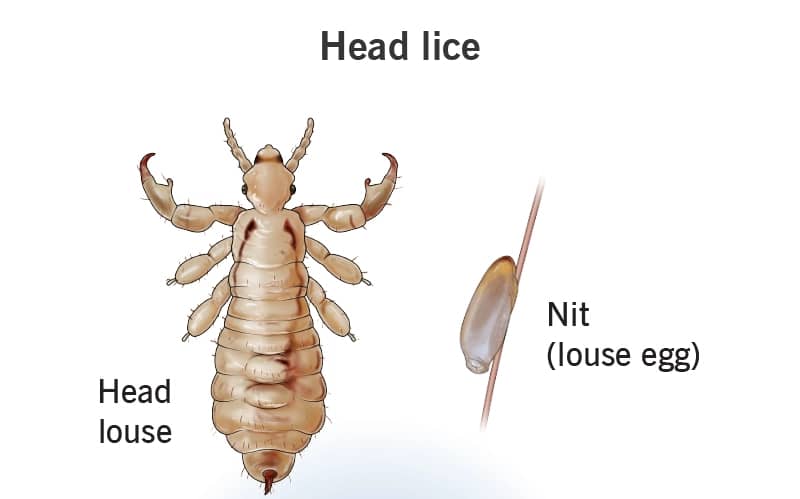
The most common sign of head lice is persistent itching on the scalp, especially behind the ears and near the neck. You may also spot tiny insects moving through the hair or small white eggs attached close to the scalp. Using a fine-toothed lice comb can help confirm their presence.
The Best Ways to Remove Head Lice
There are several effective methods to treat lice, and sometimes a combination works best.
Medicated lice shampoos or lotions are widely used and can kill live lice. It is important to follow the instructions carefully and repeat the treatment if recommended to eliminate newly hatched lice.
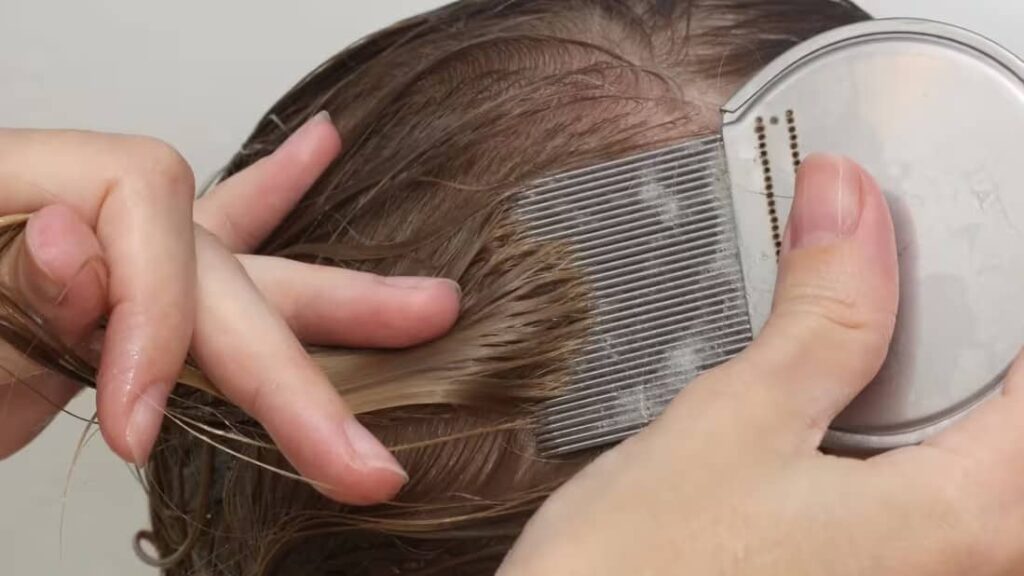
Another option is wet combing. This method involves applying conditioner to wet hair and slowly combing through it with a special lice comb. This removes both lice and eggs and avoids the use of chemicals, but it requires patience and consistency.
In some cases, repeated wet combing alone can be effective, especially for young children or people with sensitive skin.
Preventing Lice from Returning
Lice often return when eggs are missed or when reinfestation happens through close contact. To reduce the risk, check everyone in the household and treat anyone who is affected. Hairbrushes, combs, hats, and hair accessories should be cleaned thoroughly.
Regular hair checks can help catch lice early, especially after school outbreaks, camps, or sleepovers.
Can Head Lice Be Prevented
There is no guaranteed way to prevent head lice completely, but certain habits can help. Avoiding head-to-head contact and not sharing personal items like combs, hats, or headphones can lower the chances of infestation.
With careful treatment and follow-up, head lice can be managed successfully and kept under control.